Old sofa disposal options in Marylebone: fees & times
Posted on 22/05/2026
Old sofa disposal options in Marylebone: fees & times
If you've got an old sofa taking up half the room, you're probably asking two things straight away: how much will it cost and how soon can it be gone? That's the heart of old sofa disposal options in Marylebone: fees & times. And in a neighbourhood like Marylebone, where flats can be compact, access can be awkward, and time is often tight, the answer matters more than people think.
Whether you're replacing a worn-out two-seater, clearing a rental flat, or dealing with a last-minute move, there are several ways to remove a sofa locally. Some are cheap but slow. Others are fast but cost more. A few are convenient but come with specific rules or preparation steps. This guide walks through the real-world choices, what affects fees, how long each option usually takes, and how to avoid the little mistakes that turn a simple job into a headache.
For readers comparing furniture removal with broader clearance needs, it can help to start by looking at the wider services overview and the dedicated furniture disposal in Marylebone service page. If you're unsure whether the sofa is the only item, the broader waste clearance in Marylebone and rubbish collection in Marylebone pages are useful next stops too.
Why Old sofa disposal options in Marylebone: fees & times Matters
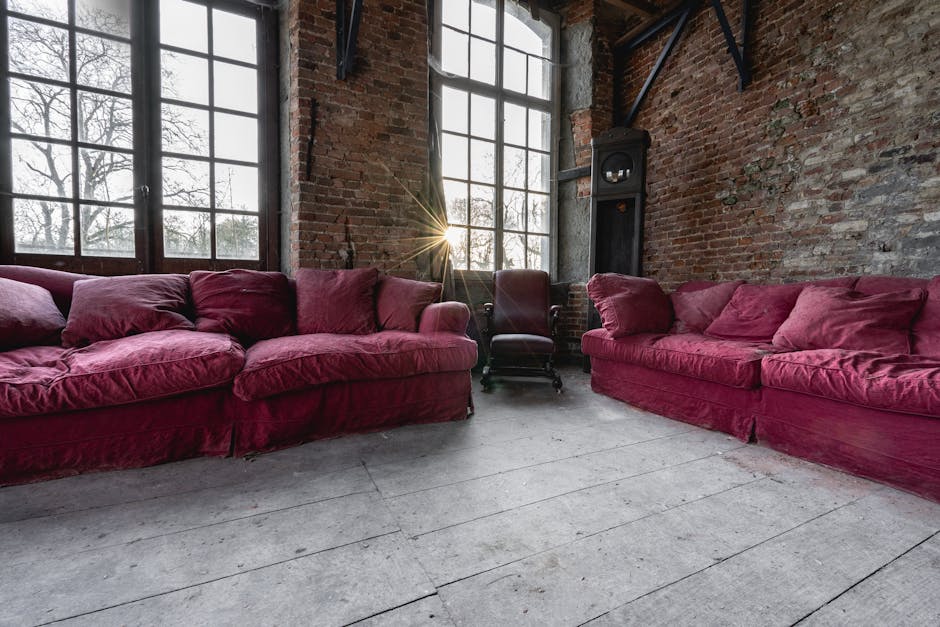
A sofa is not just another bit of rubbish. It's bulky, awkward to carry, often difficult to get through narrow hallways, and sometimes too worn out for donation. In Marylebone, that practical reality gets amplified by typical London living: basement flats, limited parking, managed buildings, and stairwells that seem designed by someone who never had to move a chaise longue. Truth be told, the sofa itself is often the easiest part. The logistics are the trick.
Fees and times matter because they shape the whole decision. A low-cost option may take several days or require you to transport the item yourself. A quicker option may come with a higher price, but it can save you from hiring a van, lifting the sofa twice, or waiting around for a collection window that eats your afternoon. If you're moving out, ending a tenancy, or preparing a flat for sale, those delays can snowball fast.
There's also the issue of comfort and compliance. Old furniture can harbour dust, odours, or damage that makes it unpleasant to keep. If the item is damaged beyond use, you still need a sensible disposal route. That's why residents often compare sofa removal against wider home services such as house clearance in Marylebone or even domestic waste collection when there's more than one item leaving the property.
Key point: the best sofa disposal option is not simply the cheapest or the fastest. It's the one that matches access, urgency, item condition, and how much effort you want to spend on the day.
How Old sofa disposal options in Marylebone: fees & times Works
At a practical level, sofa disposal is about moving a bulky item from your property to the right end point: reuse, recycling, or responsible disposal. The route depends on what the sofa is like and how quickly you need it gone.
Most local options fall into a few familiar categories:
- Booked bulky-item collection arranged through a local collection service or clearance provider.
- Man-and-van style removal where a team collects the sofa from inside your property.
- Reuse or donation route if the sofa is in decent condition and someone can take it on.
- Self-transport to a reuse or disposal point, if you have access to a suitable vehicle.
- Full or partial clearance if the sofa is only one item among several being removed.
Fees usually reflect a few variables: the size of the sofa, whether it's one piece or a corner group, how many people are needed to lift it, whether it's on an upper floor, and whether access is straightforward. In Marylebone, access is often the deciding factor. A front-room sofa on the ground floor is a very different job from a three-seat sofa wedged into a top-floor flat with a tight staircase and no lift.
Times can also vary more than people expect. A same-day slot may be possible for some providers, especially for local jobs that can be fitted into an existing route. Other collection types might need a longer lead time. If you're in a hurry, the service area and scheduling matter as much as the sofa itself. For urgent removals around central London, the same-day rubbish removal guide for Baker Street W1 customers gives a helpful sense of how fast local jobs can be handled.
One small but important detail: if the sofa contains materials that require special handling, such as a built-in mechanism or mixed components, the collection may take a little longer to assess and load. Nothing dramatic. Just the sort of thing that affects the final quote.
Key Benefits and Practical Advantages
The obvious benefit is simple: your space is cleared. But there's more to it than that.
- Faster room recovery: once the sofa is gone, a living room can feel usable again immediately.
- Less physical strain: no dragging furniture through hallways or down stairs by yourself.
- Cleaner disposal path: a professional route reduces the risk of ending up with an improper fly-tip situation, which is not worth it, let's face it.
- Better for tight schedules: ideal when a tenancy end date, delivery date, or renovation window is looming.
- More predictable planning: once you know the fee and estimated collection time, the rest of the day becomes easier to organise.
There's also a softer benefit that people often underestimate: peace of mind. A huge old sofa in the middle of a room has a way of dragging down the mood. Remove it and, almost instantly, the room breathes again. You can hear footsteps without bumping into the armrest. You can open a window. It sounds minor, but it changes how a space feels.
For those planning a broader refresh, sofa disposal can sit neatly alongside local furniture and waste services. The dedicated furniture removal in Marylebone page is useful if the sofa is part of a larger clear-out, and the recycling and sustainability page gives helpful context on how responsible disposal fits into the bigger picture.
Who This Is For and When It Makes Sense
This topic is relevant to a wider group than you might expect.
- Tenants leaving a flat and needing a clean handover.
- Landlords and letting agents clearing tired furniture between occupancies.
- Homeowners replacing a sofa after redecorating or upgrading the room.
- People downsizing and choosing to keep only the pieces that fit the new place.
- Busy professionals who need a quick, tidy solution without taking a day off to deal with it.
- Anyone with access issues who simply cannot shift the sofa safely on their own.
It also makes sense if you're sorting out more than a sofa. A flat sale, a room refit, or a move often uncovers other unwanted items too - side tables, broken chairs, old mattresses, boxes in the spare room. That's where a broader service can be more efficient than arranging separate collections. A sensible starting point is often the waste disposal in Marylebone page or a broader furniture disposal option if you want one visit to handle the lot.
And sometimes the answer is simply urgency. You get a delivery slot for a new sofa, the old one must be out by Friday, and suddenly a plan you meant to "sort next week" needs doing today. Happens all the time.
Step-by-Step Guidance
If you want to dispose of an old sofa in Marylebone without stress, a bit of preparation makes a big difference. Here's a practical way to approach it.
- Check the sofa's condition. Is it reusable, repairable, or clearly destined for disposal? If it's clean and structurally sound, reuse may be an option. If it's sagging, stained, or damaged, plan for disposal.
- Measure it. Width, depth, height, and any detachable parts matter. So does the route out of the property. A sofa that fits the lounge may still fail the staircase test. That part catches people out more often than you'd think.
- Assess access. Note stairs, lifts, narrow corridors, entry codes, parking restrictions, and whether parking is close enough for loading.
- Decide how fast it needs to go. Same day, next day, or a planned slot later in the week?
- Compare the likely route. Self-transport, donation, or a collection service.
- Get a clear quote. Ask what is included: labour, loading, stair carry, disassembly, disposal, and VAT where relevant.
- Prepare the item. Remove cushions, blankets, loose parts, and any personal items tucked into the frame. It sounds obvious, but people still find missing remote controls in the pocket of a sofa the day after collection.
- Confirm the collection window. Make sure someone can grant access, especially in managed buildings or shared entrances.
If you are dealing with a property move or sale, it can also be worth reading related local pages such as real estate exchange in Marylebone or the Marylebone property market guide. They help frame the timing pressures that often come with furniture removal.
Expert Tips for Better Results
Small choices make a surprisingly big difference to the final fee and collection time. A few practical habits can save money and reduce hassle.
- Send photos before booking. Clear photos from the front and side help the provider judge size, condition, and access. It cuts down on surprises and usually leads to a cleaner quote.
- Tell the truth about access. If the sofa is on the fourth floor and the lift is tiny or unreliable, say so. Understating access is the fastest way to create a delay. Nobody wants that awkward moment at the stairwell.
- Bundle similar items if possible. If you also have chairs, a coffee table, or broken flat-pack furniture, removing them together can be more efficient than separate bookings.
- Book before a deadline. End-of-tenancy day, new delivery day, or decorators arriving? Book earlier than you think you need to. Same-day availability can happen, but it's not something to build a whole plan around.
- Ask about disassembly. Some sofas need arms, feet, or sections removed to fit through doors. If the team can help with that, it often makes the job smoother.
- Check building rules. Some flats or managed blocks have access requirements or noise windows. A short check saves a lot of back-and-forth.
One useful rule of thumb: the easier you make the quote process, the more likely you are to get a reliable time estimate. That's just how it goes.
Common Mistakes to Avoid
Most sofa disposal problems come from very ordinary oversights. Nothing dramatic, just the sort of details that get missed when you're in a rush.
- Booking only by price. The cheapest option may not include loading, stair carry, or a flexible collection window.
- Forgetting access constraints. Marylebone properties often involve tight corridors, controlled entrances, or roadside loading limits.
- Leaving the booking too late. If the sofa has to go on a specific day, don't leave it until the last minute.
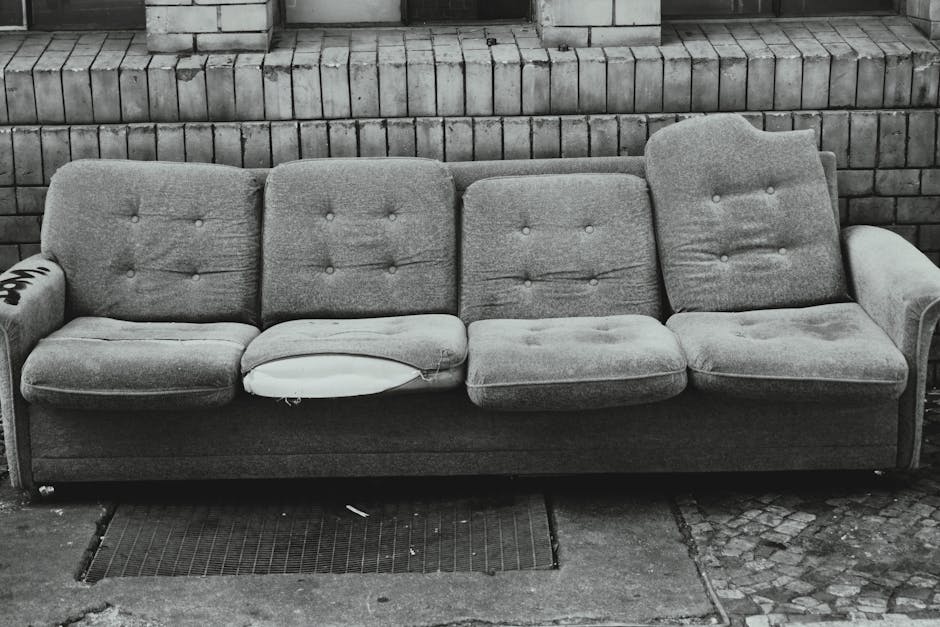
- Assuming donation is always possible. Not every sofa is suitable for reuse, especially if it is damaged, heavily soiled, or missing structural support.
- Not checking what is included. A quote that looks good can change if the team arrives and discovers extra labour is needed.
- Mixing the sofa with unrelated waste. If you want a sofa removed alongside household rubbish, say so upfront and make sure the service is set up for that mix.
A good local provider should be straightforward about what can and cannot be taken, and about how the collection window works. If you want reassurance on operating standards and business practices, the waste carrier licence and compliance page is a useful trust signal to review.
Tools, Resources and Recommendations
You don't need fancy kit to dispose of a sofa, but a few practical tools and checks help.
- Measuring tape: for sofa dimensions, doorways, lifts, and stair turns.
- Phone camera: to document the item and send accurate booking photos.
- Protective gloves: useful if you need to move cushions or detach feet yourself.
- Booking notes: keep a record of the collection time, access instructions, and any building restrictions.
- Disposal plan: decide whether the sofa is going for reuse, recycling, or removal as waste.
For many people, the most helpful resource is simply a provider that explains pricing clearly. The pricing and quotes page can help set expectations around how charges are usually framed. If security and process matter to you - especially for card payment or booking details - the payment and security page is worth a look as well.
And if you care about the environmental side, which many Marylebone residents do, a quick read through recycling and sustainability can help you understand what happens after collection. Not every old sofa can be reused, of course, but responsible sorting still matters.
Law, Compliance, Standards, and Best Practice
Sofa disposal may sound ordinary, but there are still important standards to respect. The basic rule is simple: waste should be handled responsibly by a service that is appropriately licensed and able to dispose of it legally. If you are paying someone to take a sofa away, you want confidence that it will be managed properly and not end up dumped in the wrong place. Nobody wants that on their conscience.
Best practice usually includes:
- Using a reputable waste carrier that can show it operates compliantly.
- Being honest about the item's condition so the correct disposal route is used.
- Respecting building rules and local access restrictions when collection day arrives.
- Avoiding fly-tipping or unlicensed disposal, which creates obvious legal and environmental problems.
If the sofa is left outside the property, be careful not to place it where it causes obstruction. In a busy area like Marylebone, that can quickly become an issue for neighbours, pedestrians, and building managers. Best practice is usually to keep the item secure until the agreed collection time, unless you've been told otherwise.
For readers who want to understand the company's broader standards and responsibilities, pages such as insurance and safety, terms and conditions, and about us help build a fuller picture of how a service is run.
Options, Methods, or Comparison Table
Here's a practical comparison of the most common ways to remove an old sofa in Marylebone. Fees and times are indicative rather than exact, because the real price depends on access, size, and service scope.
| Option | Typical fee level | Typical time to arrange | Best for | Watch out for |
|---|---|---|---|---|
| Reuse / donation route | Low or free, if accepted | Can take days to longer | Clean, usable sofas | Condition rules, collection acceptance |
| Self-transport | Potentially low, but vehicle costs apply | Immediate if you already have transport | People with suitable access and vehicle | Lifting, parking, fuel, time, damage risk |
| Booked bulky-item removal | Moderate | Often next day to a few days | Single sofa removal | Access details, stair carry charges, collection windows |
| Man-and-van furniture collection | Moderate to higher | Sometimes same day | Fast, convenient removal from inside the property | Variable quotes if item details are unclear |
| Full furniture or house clearance | Can be better value if removing several items | Usually arranged by appointment | Multiple items or fuller flat clearance | Need to list everything clearly |
If the sofa is only part of a larger job, combining services may be the most practical choice. For example, someone clearing a one-bedroom flat may find that loft clearance in Marylebone or office clearance in Marylebone pages provide useful parallels about how multi-item removals are usually handled.
Case Study or Real-World Example
Picture a typical Marylebone flat in the early evening. The living room is tidy enough, but there's a bulky three-seat sofa that has clearly seen better days. It's got a sagging middle cushion, one arm that wobbles slightly, and it blocks a clear line of movement from the front door to the window. The resident has a new sofa being delivered on Friday morning.
The first idea is to leave the old one outside. Then comes the realisation: the building entrance is shared, the pavement is narrow, and the flat management prefers items not to be left unattended. So a quick collection service is booked instead. Photos are sent. Access notes are checked. The sofa is moved away from the wall, cushions removed, and the collection team is told about the staircase and the parked cars nearby.
The result? A clean removal window the next day, no last-minute panic, and no awkward argument with the delivery crew waiting downstairs. That is usually how it goes when the job is planned properly - not glamorous, just calm and efficient. And honestly, calm is underrated.
This sort of scenario is especially common in central London homes where space is tight and turnaround is quick. If you live locally and want the wider context of daily life in the area, resident views on living in Marylebone offers a useful sense of the neighbourhood pace and housing realities.
Practical Checklist
Use this checklist before booking old sofa disposal in Marylebone:
- Measure the sofa and note whether it breaks into sections.
- Take clear photos from different angles.
- Check stair access, lifts, and doorway widths.
- Confirm if parking or loading access is possible nearby.
- Decide whether you need same-day, next-day, or planned removal.
- List any extra items you want removed at the same time.
- Ask what is included in the fee: labour, loading, disposal, and VAT if applicable.
- Review safety and compliance information.
- Keep the collection route clear on the day.
- Remove loose cushions, personal items, and anything fragile nearby.
Expert summary: the fastest way to avoid delays is to give accurate details up front. Size, access, timing, and item condition are the four things that shape most sofa removal jobs. Get those right, and the rest is usually straightforward.
Conclusion
Old sofa disposal options in Marylebone: fees & times come down to a simple balance between cost, convenience, and urgency. If the sofa is still usable, reuse may be the best route. If you want speed and ease, a local collection service is usually the most practical answer. If you're clearing multiple items, a wider furniture or waste clearance booking may offer better value. The right choice depends on your flat, your schedule, and how much lifting you want to do yourself - preferably none, if we're being honest.
In Marylebone, where access can be tight and schedules can be unforgiving, the smartest move is to plan just a little more carefully than you think you need to. Measure first. Ask for a clear quote. Be honest about the stairs. Small details, big difference.
For a broader look at the company's service range, it can be helpful to revisit the services overview or the specific furniture disposal in Marylebone page when you're ready to move from research to action.
Get a free quote today and see how much you can save.
Sometimes the best part of clearing an old sofa is simply getting your room - and your headspace - back.


 Tipper Van - Rubbish Removal and Waste Collection Prices in Marylebone, W1
 Luton Van -


