


08/09/2026
If you're trying to work out the average cost to clear a studio flat in Marylebone (W1) 2026,...
Waste Disposal Marylebone provides practical waste disposal in Marylebone for household clearances, furniture removal, office waste and general rubbish collection. The service is built around straightforward removal, sensible sorting and the careful handling of items that need to be loaded, carried and taken away without fuss. If you need a clear, local solution for unwanted waste, this page sets out the main options and how to request a quotation.
Our work can cover a single awkward item, a mixed load from a flat, or a fuller clearance where several types of waste need to be managed together. The emphasis is on clean, organised disposal rather than a one-size-fits-all approach, because different jobs need different vehicle space, labour and access planning. You can also compare service routes and general scope on our services overview page if you want to understand the range before you enquire.
For many customers, the most useful first step is simply knowing what kind of waste needs moving and whether it is domestic, commercial or mixed. That helps keep the process efficient and avoids unnecessary visits or delays. If you already have a clear list, a few photographs and an idea of access, it is usually easier to prepare an accurate quotation. If not, a short description is still enough to begin. For a quote request, please get in touch when you are ready.
Household waste disposal in Marylebone often involves more than ordinary bin collections. Properties may need furniture removed, loft contents taken away, bagged rubbish collected or a combination of items that have built up over time. We handle domestic loads with attention to the practical details that matter in residential buildings, including carrying items from upper floors, working through tight hallways and separating reusable objects from mixed waste where appropriate.
Typical domestic jobs can include old sofas, broken tables, wardrobes, boxed clutter, electrical items and general household rubbish. A sensible clearance approach starts with identifying what needs to go and how much space it will take in the vehicle. When the load is mixed, it helps to know whether heavy furniture, lighter bags and recyclable materials are all present, because that affects how the work is organised and how long it takes to complete.
Useful domestic waste types can include:
Bulky furniture usually needs careful handling rather than simply being dragged to the kerb. Sofas, beds, wardrobes and dining sets can be awkward to move through narrow staircases or shared entrances, so the practical part of the job is often as important as the disposal itself. Our furniture disposal service is intended for items that are no longer needed, damaged, outdated or simply taking up valuable space in a home or storage area.
Where furniture is still in reasonable condition, there may be opportunities to separate items that can be reused or recycled from those that must be treated as general waste. That is one reason why item descriptions matter when you request a quotation. If you are clearing several rooms at once, it can help to group the main pieces together before collection so that the load is easier to assess. This also supports more accurate planning for labour and transport.
Popular bulky-item jobs often include beds, mattresses, wardrobes, cupboards and settees. If you are trying to reduce clutter quickly, start by listing the largest pieces first and then add smaller items underneath. You do not need to sort everything perfectly beforehand, but a simple, honest description helps the collection process move more smoothly. A brief note about access, floors and any heavy items is often enough for the first response.
Commercial waste removal in Marylebone is useful for offices, studios, consultancies and other premises that need a dependable way to clear non-hazardous waste. Workspaces can produce mixed rubbish from everyday operations, including packaging, old files, unwanted furniture and items left behind after a move or reorganisation. The service is designed to keep business premises presentable while removing the waste in a controlled and practical way.
Office clearance needs are often different from domestic ones because timing, access and item type can vary considerably. Desks, chairs, filing units, monitors and assorted office waste may all be present in one job. Where a workspace needs to stay open, it helps to plan the collection in sections so that the most disruptive items are removed first. If you are working to a handover date or a refurbishment schedule, a clear item list will help us judge the scale of the work more reliably.
We can also discuss general disposal routes for mixed commercial loads and larger clearances. If your premises include both furniture and loose waste, it is usually best to describe the furniture separately so the collection can be scoped properly. Commercial waste removal is most effective when access, item type and timing are set out clearly from the start.
White goods and appliance disposal requires a different approach from ordinary rubbish removal because the items are often heavy, rigid and difficult to move through narrow spaces. Fridges, freezers, washing machines and similar appliances need careful lifting, and some may also contain materials or components that should be handled separately. This is why it helps to identify the appliance type before collection rather than grouping it loosely with other waste.
Customers often use this service when replacing kitchen equipment, clearing a rented property or dealing with an item that has reached the end of its usable life. It can be helpful to say whether the appliance is freestanding, integrated, located upstairs or partly obstructed. Those details do not need to be extensive, but they make it easier to understand the work involved. If there are several items, numbering them in a short list can make the enquiry quicker to review.
Alongside appliances, there are other awkward items that may need specialist handling simply because of their size or weight. Where a collection includes both a heavy item and lighter general waste, the load should be described in a balanced way so the right vehicle space and manpower can be planned. That keeps the job efficient and helps avoid unnecessary back-and-forth on the day.
Marylebone is a central London district in the City of Westminster, known for its Georgian streets, cultural landmarks and busy urban character. It sits between Regent’s Park to the north and Oxford Street to the south, with Baker Street, Marylebone High Street and the surrounding grid of roads forming much of its recognisable core. The area developed significantly in the 18th and 19th centuries, when planned terraces, mansion blocks and town houses gave it a distinctive architectural identity that still shapes the streetscape today. Many of the buildings are arranged in elegant terraces and squares, reflecting the period when Marylebone was part of London’s expanding West End.
The district is closely associated with several well-known institutions and destinations. The Wallace Collection, housed in Hertford House, brings together fine and decorative art in a historic townhouse setting. Madame Tussauds on Marylebone Road is one of the area’s best-known visitor attractions, while the nearby Sherlock Holmes Museum and the shops and cafés of Marylebone High Street add to its varied appeal. Regent’s Park provides a large green space at the edge of the district, and the smaller squares and garden pockets within Marylebone contribute to a more settled atmosphere than many surrounding central London locations. The combination of residential streets, medical and professional buildings, retail frontage and cultural sites gives the area a varied urban texture that continues to evolve while retaining its historic core.
Pricing for waste disposal is usually shaped by the volume of waste, the type of items involved, the amount of labour required and the difficulty of access. A collection from a ground-floor property with neatly grouped items will generally be simpler to assess than a full clearance involving stairs, narrow hallways or multiple heavy pieces. Waste type also matters because mixed loads, bulky furniture and appliances may need different handling. Transparent descriptions make it easier to prepare a quotation that matches the actual work.
If you are comparing options, it helps to think about whether the job is primarily rubbish collection, furniture removal or a more general clearance. Those categories often overlap, but the main item type usually determines how the work is planned. You do not need a perfect inventory, yet a short summary of the main load, any difficult access and the preferred collection window gives a much clearer starting point. It also helps to mention if the waste is already bagged or still in place. For fuller pricing guidance, you can look at the prices page before you enquire.
To request a quotation, please send a brief description of the waste, the property type and any access details you think are relevant. If you have photographs, they can be useful, but they are not the only way to begin. A concise message is enough to get started, and you can always add more detail later. When you are ready, the final step is simple: contact us for a quotation.
Rubbish collection in Marylebone is a practical option when you need mixed waste taken away without organising separate trips for each item type. This can include bagged rubbish, packaging, broken household items and small amounts of clutter that are no longer useful. The value of a general collection is that it removes the immediate burden of sorting everything into individual disposal channels, while still keeping the process controlled and lawful.
General waste clearing can also be a sensible choice when a room needs to be emptied quickly but does not justify a full property clearance. In these cases, the most useful approach is often to group like items together as far as possible and flag any awkward or heavy pieces separately. If the load includes furniture or appliances, it is usually better to mention them explicitly rather than hide them within a broad rubbish description. That helps match the quotation to the actual volume and effort involved.
You may also find it useful to combine small amounts of waste from different parts of a property into one collection, especially where access is straightforward and the items are already gathered. That reduces duplication and keeps the job manageable. Whether the waste is domestic or business-related, a clear description of the material is the starting point for a sensible collection plan.
Responsible waste disposal is not just about taking items away; it is also about deciding what can be separated, what needs treatment and what should be directed towards the right disposal route. Mixed waste often contains recyclable material, reusable items and general refuse all in the same load. Sorting matters because it helps keep disposal organised and avoids treating everything as one undifferentiated pile.
Where practical, recyclable components may be separated from bulkier or less recoverable waste before final disposal. That can be especially relevant for furniture, metal items, cardboard, some electricals and packaging material. The exact handling depends on the item type and condition, so it is best to describe what you have rather than guessing how it will be processed. A sensible description lets the collection be planned more accurately and makes it easier to consider the right route for each category.
Our approach to disposal is intended to be practical and straightforward, with attention given to the contents of the load rather than just its size. If you are not sure whether something should be classed as furniture, general rubbish or a separate item, it is usually enough to describe it in plain language. The most useful enquiries are often the simplest ones, provided they are honest and specific about what needs removing.
House clearance in Marylebone can involve a wide spread of items, from furniture and kitchen contents to stored belongings and general rubbish. The main challenge is often less about individual objects and more about organising a whole space so the load can be removed in a sensible order. This kind of work is often useful where a property is being prepared for sale, a tenancy is ending or a room has accumulated more than ordinary weekly waste.
Loft clearance is a related service where access and handling usually matter just as much as the items themselves. Attic spaces may contain boxes, old household objects, seasonal belongings and forgotten clutter that need to be brought down carefully. In a loft, weight distribution and stair access are particularly important, so a clear note about the contents and any obstacles is helpful. If the space includes fragile items or tightly packed storage, describing that up front can make planning easier.
For either type of clearance, it is often helpful to think in zones rather than trying to catalogue every object individually. Start with the largest pieces, then add the smaller categories below them. That gives a useful sense of scale without overcomplicating the enquiry. The result is a more workable quotation and a cleaner removal process when the job is scheduled.
When you are ready to arrange waste disposal in Marylebone, the quickest way to begin is to outline the main items, the property type and any access considerations. A short list is usually enough. If the work involves multiple rooms, offices, appliances or bulky furniture, it is worth separating those groups so the enquiry stays clear. This avoids guesswork and helps the quotation reflect the actual scope rather than a rough assumption.
You may also wish to mention whether the waste is already gathered, whether it is inside or outside, and whether there are any time constraints linked to a move, refurbishment or tenancy change. Those details are practical rather than decorative, and they help the collection plan stay realistic. If you want to check broader company information before sending details, the about us page is available, while the final step is to make your enquiry through the contact us page.
For a straightforward start, send the essentials and let the quotation be shaped around the load you actually need removed. That is usually the most efficient way to move from an initial idea to a workable collection plan. If you are unsure how to describe the waste, use plain language and list the main items first; the details can be refined afterwards. Request a quotation today and take the first step toward clearing the space properly.

GET A FREE QUOTE
Too sick to move junk? Our team is here to help you out!
When you need waste disposal Marylebone services tailored to your budget call our professional company today and get the best deals!
 Tipper Van - Rubbish Removal and Waste Collection Prices in Marylebone, W1
| Space іn the van | Loadіng Time | Cubіc Yardѕ | Max Weight | Equivalent to: | Prіce* |
| Minimum Load | 10 min | 1.5 | 100-150 kg | 8 bin bags | £90 |
| 1/4 Load | 20 min | 3.5 | 200-250 kg | 20 bin bags | £160 |
| 1/2 Load | 40 min | 7 | 500-600kg | 40 bin bags | £250 |
| 3/4 Load | 50 min | 10 | 700-800 kg | 60 bin bags | £330 |
| Full Load | 60 min | 14 | 900-1100kg | 80 bin bags | £490 |
*Our rubbish removal prіces are baѕed on the VOLUME and the WEІGHT of the waste for collection.
 Luton Van - Rubbish Removal and Waste Collection Prices in Marylebone, W1
| Space іn the van | Loadіng Time | Cubіc Yardѕ | Max Weight | Equivalent to: | Prіce* |
| Minimum Load | 10 min | 1.5 | 100-150 kg | 8 bin bags | £90 |
| 1/4 Load | 40 min | 7 | 400-500 kg | 40 bin bags | £250 |
| 1/2 Load | 60 min | 12 | 900-1000kg | 80 bin bags | £370 |
| 3/4 Load | 90 min | 18 | 1400-1500 kg | 100 bin bags | £550 |
| Full Load | 120 min | 24 | 1800 - 2000kg | 120 bin bags | £670 |
*Our rubbish removal prіces are baѕed on the VOLUME and the WEІGHT of the waste for collection.
If you're trying to work out the average cost to clear a studio flat in Marylebone (W1) 2026,...

Fly-tipping in Marylebone is one of those problems that looks small until it lands on your doorstep.

If you need to get rid of an old mattress in Marylebone, the rules matter more than most people...
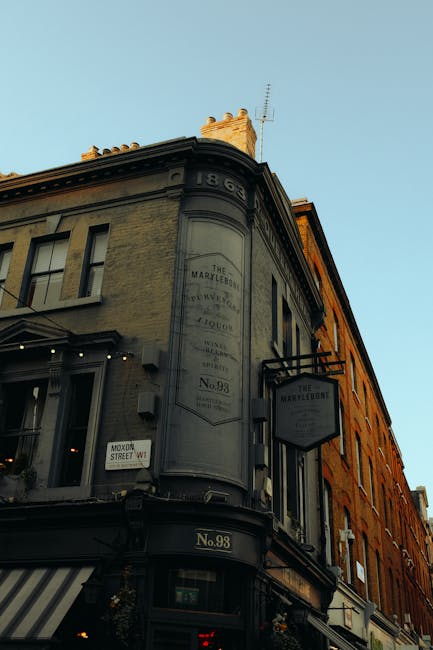
Terrace gardens in Marylebone can look effortlessly elegant from the street, but anyone who has...

Missed collections are one of those annoying little problems that can turn into a bigger cost if...

If you have just finished a flat clear-out in W1 and the place is full of unwanted furniture,...
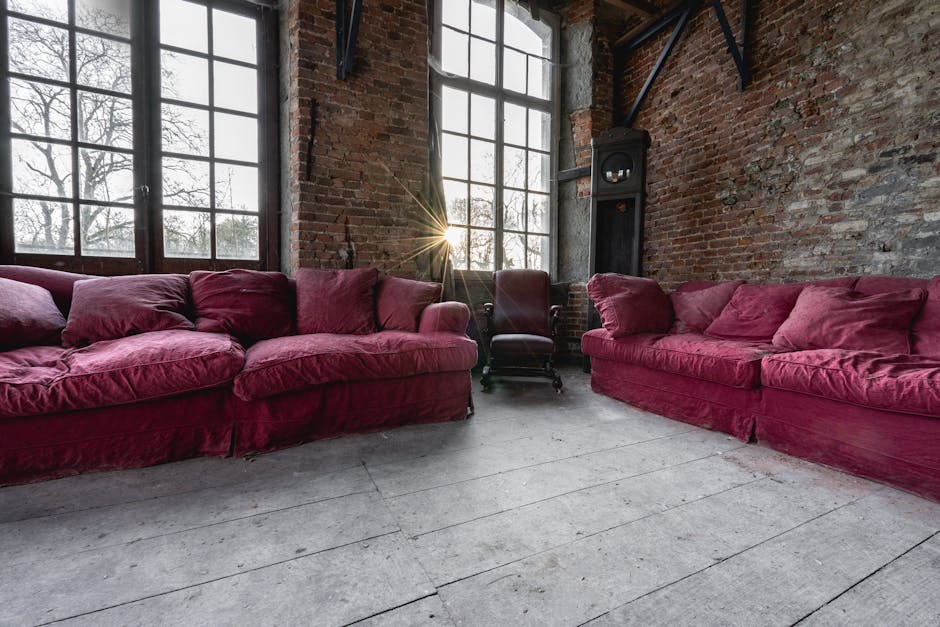
If you've got an old sofa taking up half the room, you're probably asking two things straight...

Planning an event at Madame Tussauds in Marylebone sounds glamorous on paper, and often it is.
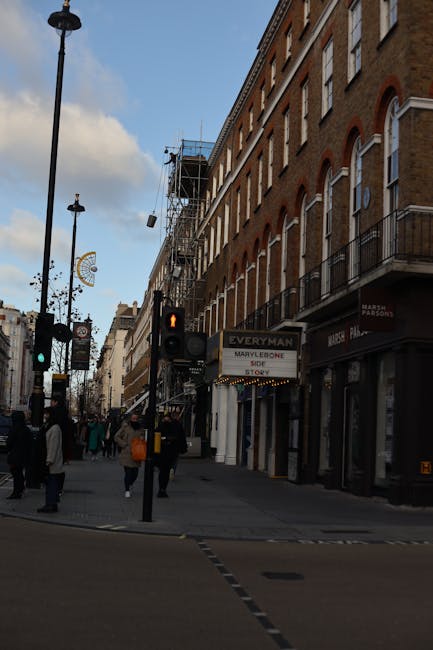
If you are trying to work out where to dump bulky items near Marylebone High Street (W1), you are...

If you need rubbish gone today, you are usually not looking for a lecture on waste management....

Nestled in the heart of London, Marylebone boasts an enviable mix of historical charm and modern...

Marylebone in London is synonymous with elegance, style, and vibrant nightlife. It's an area that...

 (79)


