Waste pickup schedule for Portman Estate flats in Marylebone
Posted on 09/10/2026
Waste Pickup Schedule for Portman Estate Flats in Marylebone
If you live in one of the Portman Estate flats in Marylebone, waste collection can feel simple on paper and oddly fiddly in real life. The bins are there, the pickups happen, and yet you still end up wondering: Which day is what collected? Where should bags go? What happens if I miss the cut-off? This guide breaks down the waste pickup schedule for Portman Estate flats in Marylebone in a practical, resident-friendly way, so you can stay on top of rubbish, recycling and bulky items without turning the hallway into a holding bay.
Whether you are a long-term resident, a landlord, a managing agent, or someone moving into a flat for the first time, the aim is the same: fewer missed collections, less clutter, and a cleaner building. To make that easier, this article also covers best practice, common mistakes, and the most sensible next steps if you need help with extra waste or clearance.

Why Waste Pickup Schedule for Portman Estate Flats in Marylebone Matters
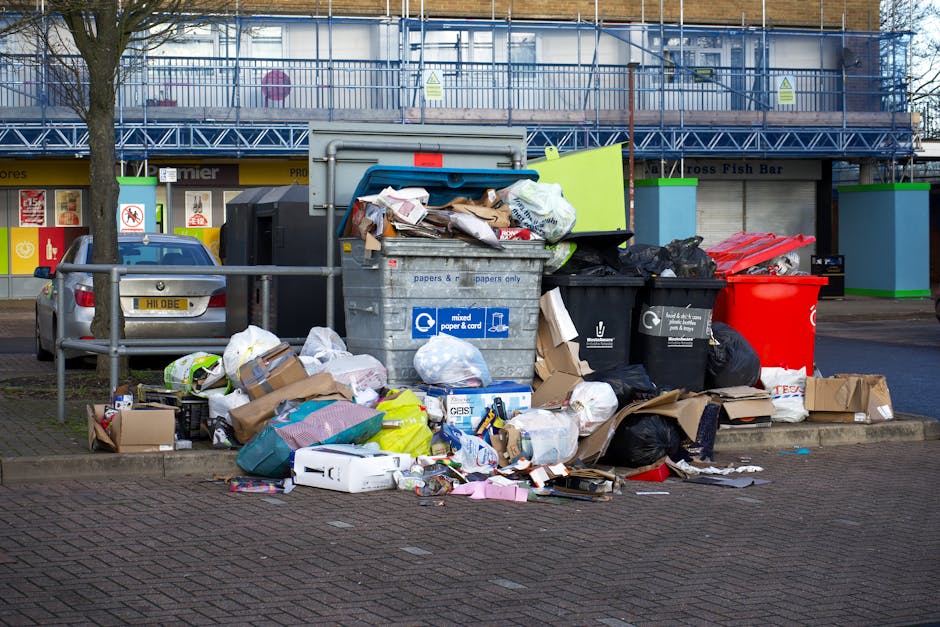
In a dense neighbourhood like Marylebone, waste is not just a back-of-house issue. It affects how a building feels, how tidy the entrance looks, and how easily residents can get in and out of the block without stepping around overfilled bags. In Portman Estate flats especially, where shared spaces and narrow access points are common, timing matters. A missed collection can quickly turn into an eyesore, a smell problem, or a nuisance for neighbours.
There is also a practical side that people sometimes overlook. If you know the pickup schedule, you can plan cleaning, moving day rubbish, packaging disposal, and recycling at the right time. That means less stress. No frantic run down the stairs at 8:45 pm because you suddenly remembered the bins needed to be out. Been there, and it is never the best evening.
The other reason it matters is coordination. Flat living works best when residents, cleaners, concierge teams, and managing agents are all roughly on the same page. If one person leaves large bags out early, another arrives with a recycling load too late, and the waste area is already full, small issues stack up. The schedule acts like the shared rhythm of the building.
For residents who want a broader picture of day-to-day local life, our resident views on living in Marylebone also help explain why organisation around shared services matters so much here.
How Waste Pickup Schedule for Portman Estate Flats in Marylebone Works
In most Marylebone apartment buildings, waste collection follows a building-specific arrangement layered on top of local borough services or private collection support. The exact setup can vary by block, but the principle is usually straightforward: residents separate waste where required, place it in the correct bin store or collection point, and make sure containers are ready for scheduled pickup.
For Portman Estate flats, the schedule may involve a combination of everyday domestic refuse, recycling, and occasional larger clear-outs. Some buildings rely on allocated communal bin stores; others have timed placement instructions so bins can be brought out just before collection and returned promptly after. If you are unsure which arrangement applies to your block, check your building noticeboard, concierge instructions, tenancy pack, lease documents, or managing agent communication first. That sounds obvious, but to be fair, it is the step people skip most often.
Here is the basic flow you are likely dealing with:
- Separate general waste from recycling and any special items.
- Use the correct bin, sack, or storage area for your building.
- Observe the cut-off time for putting waste out.
- Keep access routes clear for residents and collection crews.
- Remove bins or follow return instructions after pickup.
That may sound routine, but the details matter. For example, one overfilled bag can stop a bin lid closing properly, which then encourages foxes, birds, or stray litter. In a busy city block, one small lapse can spread fast.
If you need a broader overview of the kinds of services that support block and flat waste management, the services overview is a useful place to start.
Key Benefits and Practical Advantages
Sticking to the right waste schedule is not glamorous work. Still, the benefits are real and immediate.
- Cleaner shared spaces: Bags are less likely to pile up in corridors, entrances, or bin rooms.
- Fewer odour problems: Waste does not sit around long enough to become unpleasant.
- Lower pest risk: Proper timing and secure storage help reduce access for rodents and birds.
- Better neighbour relations: Nobody enjoys arguing over who left cardboard in the wrong place. It gets old quickly.
- Smoother building management: Cleaners, caretakers and residents can work to the same routine.
- Less last-minute panic: You know when to put waste out, so moving day and weekend clear-outs become manageable.
There is also a financial angle, even if it is indirect. When waste is handled properly, there is less risk of extra cleaning, emergency call-outs, or avoidable complaints. For landlords and agents, that can mean less admin. For residents, it usually means a better living environment and fewer awkward messages in the group chat. Nobody wants that 7:12 am note saying the bin store looks like a crime scene.
For residents comparing whether a local waste contractor or on-demand clearance service makes sense, the pricing and quotes page is helpful for understanding how service requests are typically approached.
Who This Is For and When It Makes Sense
This kind of schedule matters to a surprisingly wide group of people. If you live in Portman Estate flats, yes, of course it is for you. But it is also relevant for anyone responsible for the smooth running of the building.
- Residents: especially if you are new to the block or unsure where waste should be placed.
- Landlords and letting agents: because waste problems often show up first as tenant complaints.
- Managing agents and caretakers: who need a practical routine to keep communal areas orderly.
- New movers: because move-in and move-out days generate more packaging, boxes, and mixed rubbish than most people expect.
- People clearing out a flat: after a tenancy change, refurbishment, or long-overdue declutter.
It makes sense any time your waste volume changes. That could be after a family visit, a new furniture delivery, a kitchen upgrade, or even a simple spring clean that grows legs. The truth is, most waste issues in flats are not caused by a lack of bins; they are caused by a mismatch between the amount of waste created and the timing of pickup.
If you are dealing with a broader declutter rather than routine domestic refuse, pages like waste clearance in Marylebone and house clearance services may be more relevant than standard bin-day arrangements.
Step-by-Step Guidance
If you want a simple, repeatable method for staying on top of waste pickup in Portman Estate flats, use this approach. It is not fancy, but it works.
1. Confirm your building's specific instructions
Start with the house rules, resident handbook, or email from the managing agent. Do not assume every flat in the estate uses the same bins or timings. One block may have a weekday schedule, another may ask for bags to be kept indoors until a certain hour. The small print matters here.
2. Separate your waste properly
Keep general waste, recycling, and anything bulky or specialist as separate streams. Flatten cardboard if required, rinse recyclable containers where appropriate, and avoid putting food residue into recycling. It is a small effort for a big difference.
3. Set a reminder before pickup day
A phone reminder the evening before is usually enough. If you live a busy life, set a second one for 30 minutes before the collection window closes. Simple, but strangely effective.
4. Place waste in the correct collection point
Use the designated bin store, chute area, or kerbside point if your building has one. Never block fire doors, stairwells, or communal walkways. In flats, access matters as much as the waste itself.
5. Return bins or tidy the area after collection
Once the pickup is complete, move containers back to their proper place if that is part of the arrangement. If a bin is damaged, full, or inaccessible, report it quickly rather than leaving it for the next resident to deal with.
6. Escalate extra waste early
If you have an unusual amount of rubbish, do not try to squeeze it into standard bins and hope for the best. Arrange a separate collection or clearance. That is often the cleaner, cheaper and less stressful route.
Expert Tips for Better Results
After years of dealing with mixed domestic waste, flat clearances, and awkward access points, a few habits consistently make life easier. Nothing dramatic. Just the stuff that saves you from problems later.
- Keep a small indoor holding area: A tidy corner or lidded container helps you avoid last-minute bag clutter.
- Flatten packaging early: Boxes take up more room than people expect, especially after deliveries.
- Bundle similar items together: Cardboard with cardboard, glass with glass, and so on. Less sorting, less mess.
- Watch for access restrictions: In Marylebone, narrow streets, loading limits and building entry rules can affect collection timing.
- Keep communication tidy: If you manage a block, one clear resident notice is better than five scattered messages.
- Book specialist help early for bulky items: Sofas, appliances and mattress disposal are much easier when arranged before the pile grows.
A practical little trick? Keep a note of collection days in your phone calendar and label them by waste type. It sounds almost too basic to mention, but it saves real hassle. And let's face it, nobody remembers bin day perfectly forever.
If your waste is tied to redecorating or repairs, the builders waste disposal service can be the right fit for heavier, mixed debris that does not belong in standard domestic bins.

Common Mistakes to Avoid
Most waste problems in apartment buildings come from a handful of predictable mistakes. Once you know them, they are easier to dodge.
- Leaving bags out too early: This can create clutter, attract pests, and upset building rules.
- Mixing recycling with general rubbish: Contaminated recycling often cannot be processed properly.
- Overfilling bins: If the lid cannot close, you are asking for trouble.
- Ignoring bulky item rules: Sofas, appliances and cabinets usually need separate handling.
- Blocking access routes: Fire safety and collection access should never be compromised.
- Assuming someone else will sort it: Shared living is convenient, but it still depends on individual responsibility.
There is also a quiet mistake people make after a big tidy-up: they leave the final 10% for "later." Later becomes next week. Next week becomes a smell in the hallway. Then everybody notices. Best not to do that.
Tools, Resources and Recommendations
You do not need fancy equipment to manage waste properly in a flat, but a few basic tools make the process more organised.
- Recycling bags or containers: Useful for separating dry recyclables before bin day.
- Lidded indoor caddy: Handy for food waste and small scraps if your building uses one.
- Phone reminders: The simplest way to keep track of collection timing.
- Basic labels: Especially useful in shared bin stores or multi-flat houses.
- Photo notes: A quick image of a noticeboard can save you searching later.
For residents who need more than routine collections, a few linked pages can be helpful depending on the situation:
- domestic waste collection in Marylebone for regular household rubbish support
- rubbish collection in Marylebone for flexible removal of mixed waste
- appliance disposal for fridges, washing machines and similar items
- furniture removal services when a sofa, bed frame or wardrobe has to go
- loft clearance in Marylebone if the flat has storage space that has quietly filled over the years
If you are comparing providers, it is also sensible to review trust and operational information such as the waste carrier licence and compliance page and the company's about us information. That kind of detail matters more than people think.
Law, Compliance, Standards and Best Practice
Waste in flats is not just a housekeeping issue; it also touches on legal and practical responsibilities. While the exact duties depend on ownership, lease terms, and the type of waste involved, a few broad best practices apply across the board in the UK.
First, waste should be stored and presented in a way that does not create a health, safety, or access issue for others. That means keeping corridors, exits and shared spaces clear. Second, waste should be handed to properly authorised collectors where a private service is used. Third, any special items such as electrical appliances, bulky furniture, or building waste should be handled in line with the relevant collection route, not just dumped beside the nearest bin.
For landlords and managing agents, it is sensible to align building rules with clear resident communication. A decent notice is often worth more than a dozen casual reminders. If the building has accessibility needs, collection instructions should be written plainly and posted where residents can actually see them. This is where the accessibility statement is useful to review if you are evaluating how information is presented.
Where the waste provider is involved, it is wise to check terms, payment handling, and safety arrangements before booking. The relevant pages include terms and conditions, payment and security, and insurance and safety. For households and blocks that care about environmental handling, the recycling and sustainability page gives useful context too.
One subtle point: compliance is not just about avoiding fines or complaints. It is also about keeping the building pleasant to live in. A calm, orderly bin routine reduces friction. That counts for a lot.
Options, Methods, or Comparison Table
Not every waste problem needs the same solution. A normal bin day, a private collection, and a full clearance are very different tools. Choosing well saves time and frustration.
| Approach | Best for | Typical advantage | Main limitation |
|---|---|---|---|
| Scheduled communal pickup | Routine household rubbish and recycling | Simple, low effort, works well for normal volumes | Not suitable for bulky or unusual items |
| Private rubbish collection | Overflow waste, missed bin days, flexible timing needs | More control over timing and removal | Usually requires booking and cost planning |
| Bulky item disposal | Furniture, white goods, mattresses | Handles large items safely and efficiently | May need access checks and item-specific preparation |
| Full property clearance | Moves, refurbishments, estate clean-outs | Covers many item types in one visit | More involved planning and usually higher cost |
If you are deciding between methods, ask one simple question: Is this routine waste, or is this a volume problem? That usually points you in the right direction. A mixed pile of old chairs, boxes and broken appliances is not really "bin day" territory.
Case Study or Real-World Example
Here is a realistic example. A resident in a Portman Estate flat does a weekend clear-out before a new sofa arrives. At first, it seems manageable: a few cardboard boxes, a lamp, an old side table, and some packaging. Then the old bookshelf comes apart, a bag of general rubbish appears from the kitchen cupboard, and suddenly there is more than will fit in the communal bins.
If that resident waits until collection day and hopes for the best, the result is usually messy. Bags get left in the wrong place, the bin store becomes crowded, and the new furniture delivery starts competing for space with the old stuff. Not ideal.
A better approach is to separate the items early:
- Flatten and recycle cardboard where appropriate.
- Bag general waste securely.
- Set aside furniture and any broken items for a dedicated pickup.
- Book a removal service that can collect mixed household waste and furniture in one visit.
That is where a service such as furniture disposal in Marylebone or waste disposal in Marylebone can save a lot of faff. The resident gets the flat clear, the building stays tidy, and the next day feels normal again. Which, honestly, is the whole point.
Practical Checklist
Use this checklist before every scheduled collection or flat clear-out.
- Check the building's collection instructions.
- Confirm the waste type: general, recycling, bulky, or special.
- Flatten cardboard and separate recyclables.
- Bag waste securely and avoid overfilling containers.
- Keep corridors, exits, and bin-room access clear.
- Put waste out only during the permitted timeframe.
- Return bins or tidy the store area after pickup.
- Arrange specialist collection for furniture, appliances, or builders waste.
- Take photos or notes if a persistent issue needs reporting.
- Review your routine after a move, renovation, or change in household size.
Practical summary: if the waste is normal and routine, follow the estate schedule. If it is bulky, mixed, or piling up faster than the bins can handle, book a dedicated service and deal with it properly the first time. That is usually the calmest option, and the cheapest in the long run too.
Conclusion
The waste pickup schedule for Portman Estate flats in Marylebone is really about more than bin day. It is about keeping shared living spaces tidy, reducing stress, and making everyday life work a little more smoothly. In a busy area like Marylebone, where homes are close together and access can be tight, a clear routine makes an obvious difference.
If you know your building's instructions, separate waste correctly, and act early when you have extra items, most problems never grow into real problems at all. That is the quiet win here. Small habits, repeated well, keep the whole place feeling livable.
If you are dealing with more than a standard pickup, or you simply want a cleaner and faster way to clear waste from your flat, speak to a local team that understands the area and the building layouts around it. A good service should make the job feel lighter, not harder.
Get a free quote today and see how much you can save.
And if you are still sorting through a pile by the door, take a breath. One sensible plan beats a rushed one every time.

 Tipper Van - Rubbish Removal and Waste Collection Prices in Marylebone, W1
 Luton Van -


