Emergency rubbish removal after flat clear-outs in W1
Posted on 02/06/2026
If you have just finished a flat clear-out in W1 and the place is full of unwanted furniture, broken bits, bagged waste, and one item that somehow became five, you are probably looking for a fast fix. That is exactly where emergency rubbish removal after flat clear-outs in W1 comes in. It is the practical, same-day or next-day response that gets a property back under control without turning your hallway into a staging area for chaos.
In central London, that speed matters. Flats here are often in mansion blocks, conversions, or compact properties where access is tight and neighbours are close by. One staircase blocked by a wardrobe or a corridor lined with sacks can quickly become a problem. This guide explains how urgent flat clearance waste removal works, what to expect, what to avoid, and how to make the whole thing feel much less stressful. A bit of planning helps, even when time is short.
Why Emergency rubbish removal after flat clear-outs in W1 Matters
Flat clear-outs rarely happen in neat, quiet conditions. More often, they follow a move-out deadline, a tenancy change, a bereavement, a sale completion, a renovation, or a landlord inspection. The waste can build up fast. Suddenly you have a sofa, a mattress, drawers, boxes of mixed junk, maybe an old fridge, and a pile of smaller items that do not fit anywhere useful. It is messy, time-sensitive, and honestly a bit draining.
In W1, the pressure is even higher because the streets are busy, parking is limited, and buildings often have awkward access. If waste sits around too long, it can cause friction with neighbours, concierge teams, or managing agents. And if the flat needs to be handed over, sold, or re-let quickly, delays can snowball. What looks like "just rubbish" is often actually a deadline problem, an access problem, and a compliance problem rolled into one.
Emergency rubbish removal is important because it restores order quickly. It helps you avoid missed handover windows, reduces safety risks, and prevents waste from lingering in communal areas. It also gives you a clean slate for cleaning, decorating, or final checks. That last part matters more than people think. A spotless empty room feels very different from a room that still has one broken chair and a half-filled bin bag in the corner.
For people comparing local options, it can help to look at broader service pages such as the full service overview, waste clearance in Marylebone, and rubbish collection in Marylebone. These pages are useful when you want to understand the wider set of clearance options before committing to a rush job.
How Emergency rubbish removal after flat clear-outs in W1 Works
The process is usually straightforward, but the speed changes the way it is handled. A team will normally assess what needs removing, estimate how much space it will take in the vehicle, and confirm the access conditions. For a flat clear-out, that may mean checking whether there is a lift, whether parking is possible, and whether bulky items need to be carried down several floors. In a hurry, these details matter more than the item list itself.
Once booked, the crew arrives with the right labour and vehicle size. They sort the waste as they go, separating reusable or recyclable items where possible. Furniture, appliances, general household waste, cardboard, and mixed bagged rubbish may all be handled in one visit, provided they are safe and lawful to move. If the clear-out includes heavier items like wardrobes or white goods, it is smart to mention them early. Nobody enjoys an awkward surprise when the van is already on the kerb. Not ideal, to be fair.
Same-day or urgent services tend to work best when the flat is pre-sorted. That does not mean everything must be perfectly organised. It just means obvious categories are separated where you can. For example: keep electricals together, keep furniture clear of loose rubbish, and avoid hiding broken glass under a bag of bedding. The removal team can work faster when the load is easy to read at a glance.
If you are dealing with an especially full property, specialist pages such as house clearance in Marylebone, furniture removal in Marylebone, furniture disposal in Marylebone, or white goods and appliance disposal in Marylebone may be more relevant depending on what is taking up the most room.
Key Benefits and Practical Advantages
The biggest benefit is simple: speed. When a flat has to be cleared quickly, an emergency collection reduces the amount of time you spend living around piles of waste. That can be a relief in itself. There is also the practical benefit of getting one trained team to do the heavy lifting, loading, and disposal work instead of trying to coordinate several trips, hire vans, or rope in friends who probably had other plans.
Here are the advantages that usually matter most:
- Fast turnaround: useful when you are up against a tenancy deadline or move-out date.
- Less disruption: one visit can solve a problem that would otherwise drag on for days.
- Safer handling: bulky items, lifting, and stair carrying are managed by people used to it.
- Better compliance: responsible clearance reduces the risk of fly-tipping or poor disposal.
- Cleaner handover: a clear flat is easier to clean, photograph, sell, or re-let.
There is a quieter benefit too: peace of mind. Once the clutter is gone, decisions become easier. You can see the rooms properly, work out what stays, and stop mentally tripping over the same pile of stuff. That sounds small, but anyone who has cleared a flat knows it is a big deal.
For people comparing disposal routes, the article on old sofa disposal options in Marylebone is especially helpful if the main headache is one or two bulky items. If you are simply trying to understand your wider options, waste disposal in Marylebone is another relevant starting point.
Who This Is For and When It Makes Sense
This type of service is not only for people in a crisis. It suits anyone who needs a flat emptied quickly and neatly. Still, some situations make it especially sensible.
- Tenants moving out at short notice: perhaps you have to return keys tomorrow and the flat still contains leftover items.
- Landlords and letting agents: when a property needs to be turned around quickly between occupiers.
- Executors or family members: if a flat must be cleared with care and time is limited.
- Homeowners after renovation: when old furniture, packaging, or damaged fittings need removing fast.
- People downsizing: especially when a smaller move leaves a lot of excess furniture and boxes.
- Off-site organisers: yes, sometimes a flat doubles as storage and the landlord suddenly wants it back. Happens more often than you might think.
Emergency rubbish removal also makes sense when waste is causing a practical problem rather than just an aesthetic one. Maybe the front room cannot be cleaned. Maybe the lift is not available until the clutter is gone. Maybe the flat is due to be photographed for sale and the estate agent has already given you that "we need it looking presentable" email. Very familiar.
If the property is linked to a sale or exchange, these background reading pieces can help with the local context: real estate exchange in Marylebone and Marylebone property market: a wise buying guide. For residents weighing the local lifestyle more broadly, resident views on living in Marylebone adds useful perspective.
Step-by-Step Guidance
When you are dealing with a flat clear-out in a hurry, a simple order of operations helps. You do not need a grand system. Just enough structure to stop the job from spreading into every room.
- Walk through the flat and list what needs removing. Split items into furniture, appliances, bagged rubbish, recyclables, and anything hazardous or questionable.
- Identify access issues early. Note stairs, lifts, narrow hallways, loading restrictions, or parking limits. In W1, this step saves time.
- Separate valuables and important papers. Do this before removal starts. Passport, tenancy documents, bank letters, sentimental items, chargers, spare keys - all worth checking twice.
- Take quick photos if needed. They can help confirm the scope and avoid confusion on the day.
- Ask for a realistic arrival window. A tight emergency slot is useful, but a workable window is better than rushed guesswork.
- Clear routes through the property. Even a small corridor makes a huge difference when carrying bulky items.
- Confirm disposal handling. Make sure the waste is going to a legitimate, compliant route and not just vanishing into the ether. That old chestnut.
- Do a final room sweep. Check drawers, shelves, under beds, behind radiators, and inside cupboards before the team leaves.
If the clear-out is mostly domestic household waste, domestic waste collection in Marylebone may be the closest fit. If you are dealing with a larger, more mixed load, a broader waste clearance service in Marylebone can be a better match.
Expert Tips for Better Results
Over the years, one thing becomes clear: the fastest clear-outs are the ones that are simple to understand. That means you do not need to over-engineer the process, but you do need to remove friction where you can.
Tip one: place the bulkiest items closest to the exit if it is safe to do so. A sofa in the hallway is much easier to move than a sofa buried in a back bedroom under boxes and lamp shades.
Tip two: be honest about awkward items. If there is a broken wardrobe, a disassembled bed base, or a heavy appliance, say so. Teams can bring the right manpower and avoid a second trip. Nobody likes second trips. Nobody.
Tip three: if the flat has communal areas, protect them. A brief pause to clear the route can stop scuffs, noise complaints, and awkward conversations with neighbours. In older W1 buildings, you will notice the walls and stair rails show wear quickly, so care matters.
Tip four: think about what happens after the rubbish is gone. If the next step is cleaning, decorating, or inventory photos, keep a small buffer of time. A rushed clearance followed by a rushed clean often leaves the job half-finished in practice, even if it looked fine on paper.
Tip five: check whether some items can be reused or donated instead of simply discarded, where appropriate. This is not always possible in an emergency, but it is worth considering for serviceable furniture or electronics. The local recycling and sustainability approach on the website is a useful reference point for readers who care about reducing waste where they can.
Best results come from pairing urgency with clarity. If the job is time-sensitive but the access, item list, and disposal expectations are clear, the whole process tends to feel calmer than people expect.
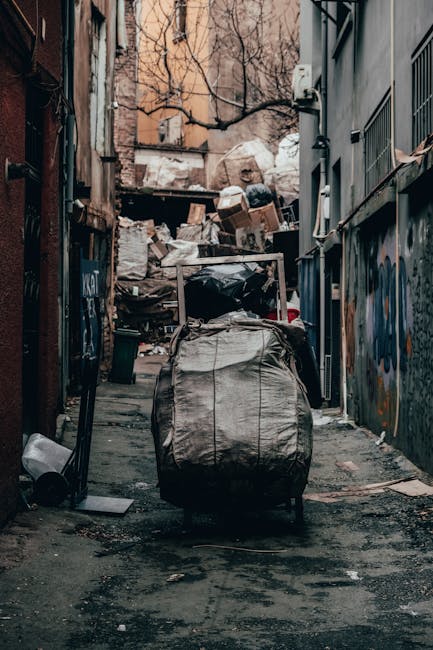
Common Mistakes to Avoid
Emergency clear-outs go wrong in predictable ways. The good news is that most of them are avoidable. The bad news is that when you are stressed, obvious things stop feeling obvious. Happens to everyone.
- Leaving sorting until the last minute: if every item is in one heap, the job takes longer and costs more in time.
- Forgetting access details: a van cannot magically fit into a loading bay that is blocked or restricted.
- Mixing hazardous waste with ordinary waste: some items need separate handling and should be flagged in advance.
- Using unverified disposal options: cheap can become expensive if waste is dumped improperly.
- Assuming all bulky items are the same: a mattress, a wardrobe, and a fridge each bring different handling needs.
- Not checking the final room: spare keys, documents, or sentimental items can get missed in the rush.
One surprisingly common problem is the "just leave it in the flat and deal with it later" approach. Later usually arrives faster than expected. If you are on a deadline, later is not your friend. Better to clear properly now, even if the pile looks a bit intimidating at first glance.
Another mistake is underestimating the emotional side of flat clear-outs. If the property belonged to a relative, or if you are leaving a place after a long time, the job can feel heavier than the physical waste suggests. Slower, more careful decisions are often better than forcing everything through in one anxious afternoon.
Tools, Resources and Recommendations
You do not need a lot of specialist kit to prepare for emergency rubbish removal, but a few simple tools help the process run smoothly.
- Strong sacks or boxes: useful for loose items, bedding, clothing, books, and mixed household bits.
- Marker pen and labels: handy for marking what stays, what goes, and what needs checking later.
- Gloves and sturdy shoes: especially if you are sorting through dusty cupboards or broken items.
- Phone camera: good for recording the flat before and after, and for confirming large items.
- Measuring tape: useful if you suspect a bulky item may need to be broken down first.
For local readers, it is also worth looking at the broader set of services that sit around a flat clear-out. If you have a sofa, a bed frame, or a set of cupboards to remove, furniture removal and furniture disposal are useful related options. If the flat includes an old fridge or washing machine, the dedicated appliance disposal page can help. And when the job is really about restoring a whole property, house clearance in Marylebone is worth considering.
For a deeper understanding of value and budgeting, the website's pricing and quotes page and payment and security information can help set expectations before you book.
Law, Compliance, Standards, or Best Practice
With rubbish removal, compliance matters. The key principle is simple: waste should be handled by a business that can manage it responsibly and traceably. In the UK, that usually means checking that the waste carrier is properly authorised and that the disposal route is legitimate. You do not need to become a legal expert overnight, but you do need to avoid handing waste to someone who looks cheap and vague.
Best practice also means understanding that some items need special care. Electrical items, appliances, broken glass, sharp materials, and mixed loads should be managed carefully to reduce risk and avoid contamination. If a service says it follows proper waste handling procedures, that is a good sign. If it cannot explain what happens after collection, that is less reassuring.
Safety is part of compliance too. Lifting heavy furniture in narrow stairwells is not a casual task. Good teams plan the route, protect surfaces where needed, and communicate clearly. You should expect that level of care. It is not fussy; it is just sensible.
For readers who want to check the company's trust pages, the site's waste carrier licence and compliance, insurance and safety, terms and conditions, and privacy policy pages are all relevant trust signals. For ethical sourcing and workforce standards, the modern slavery statement is also part of the wider accountability picture.
Options, Methods, or Comparison Table
There are several ways to deal with waste after a flat clear-out. The right one depends on the volume, the time available, and how much lifting you want to do yourself. Here is a simple comparison.
| Method | Best for | Speed | Effort required | Notes |
|---|---|---|---|---|
| Emergency rubbish removal | Urgent flat clear-outs, deadlines, bulky mixed waste | Very fast | Low to medium | Best when access is difficult or the property must be emptied quickly |
| Self-haul with a van | Small loads and flexible schedules | Medium | High | Can take several trips and needs parking, lifting, and disposal planning |
| Phased clearance | Larger properties where time is available | Slower | Medium | Good for sorting, but not ideal under deadline pressure |
| Specialist item disposal | One-off sofas, fridges, mattresses, or appliances | Fast for single items | Low | Works well for bulky items, but not for a full flat clear-out |
In practice, many people use a combination. A rushed flat clearance might start with emergency collection for the main load, then finish with a smaller targeted pick-up for leftover bulky items. That is often the neatest solution, really.
Case Study or Real-World Example
Here is a realistic example based on the kind of flat-clearance situation that comes up often in W1. A tenant moving out of a one-bedroom flat near Baker Street had left only 24 hours to hand the property back. The flat still contained a mattress, a damaged chest of drawers, bagged clothes, a dismantled desk, a microwave, and a small mountain of cardboard. The hallway was narrow, and the lift was out of service for part of the day.
The fix was not glamorous. It was a careful, same-day clearance with a short prep call, a quick access check, and a route planned around the stairs. The team prioritised the biggest pieces first, kept the common areas tidy, and removed the smaller waste in a final sweep. The flat was left ready for cleaning and inspection later that day.
What made the difference was not magic. It was preparation, clear communication, and a sensible order of removal. The tenant had already separated anything personal, flagged the appliance, and cleared the entrance path. That meant fewer delays and less stress. A tiny bit of organisation. A huge difference.
For people in similar parts of W1, the nearby article on same-day rubbish removal for Baker Street W1 customers is a useful related read, and the guide on where to dump bulky items near Marylebone High Street W1 is helpful if you are trying to compare practical options.
Practical Checklist
Use this checklist before the collection team arrives. It is short on purpose. You want useful, not decorative.
- Confirm the date, time window, and access details.
- List bulky items, bagged rubbish, and any special waste separately.
- Remove valuables, documents, keys, and sentimental items.
- Clear a route from each room to the exit.
- Check whether parking or loading restrictions apply.
- Tell the team about stairs, lifts, or awkward turns.
- Keep fragile or reusable items out of the disposal pile.
- Take quick photos if you need records for landlord, agent, or family.
- Do one final walk-through of cupboards, drawers, and storage spaces.
- Make sure you know what happens to the waste after collection.
Expert summary: the fastest flat clear-outs are not the messiest ones, they are the ones where people make a few clean decisions early. Sort the obvious items, protect the access route, and be clear about what needs to go. That is usually enough to turn a stressful morning into a manageable one.
Get a free quote today and see how much you can save.
Conclusion
Emergency rubbish removal after flat clear-outs in W1 is about more than speed. It is about restoring control when a property needs to be emptied quickly, safely, and with as little disruption as possible. In an area where access can be tight and deadlines are rarely generous, a good removal plan can save a lot of time and a fair amount of frustration too.
If you keep the job simple - know what is going, flag bulky items early, and work with a compliant removal approach - the process becomes much easier than it first looks. There is something genuinely satisfying about opening the door to an empty flat after a heavy clear-out. The echo changes. The air feels lighter. The job, finally, is done.
And that, in the end, is the bit people remember.

 Tipper Van - Rubbish Removal and Waste Collection Prices in Marylebone, W1
 Luton Van -


