Where to dump bulky items near Marylebone High Street (W1)
Posted on 06/05/2026
If you are trying to work out where to dump bulky items near Marylebone High Street (W1), you are probably dealing with the sort of problem that feels bigger than it should. A sofa that will not fit through the door. A mattress that has seen better days. A broken wardrobe, a bulky TV unit, or an old appliance sitting in the hallway, quietly getting in the way. In a busy part of central London, you need a disposal option that is practical, legal, and realistic for narrow streets, timed access, and limited storage. Not glamorous, but very real.
This guide explains the best ways to deal with bulky waste near Marylebone High Street, what to check before you move anything, how collection and disposal usually work, and when a specialist service makes life easier. It also covers the questions people actually ask: can you leave items on the pavement, what counts as bulky waste, how to choose between a council route and a private collection, and how to avoid the kind of mistakes that lead to fines or fly-tipping headaches.
For readers who want the broader context of local services, it can also help to look at the wider waste removal services overview, or a specific option such as furniture removal in Marylebone if your bulky item is mainly household furniture.
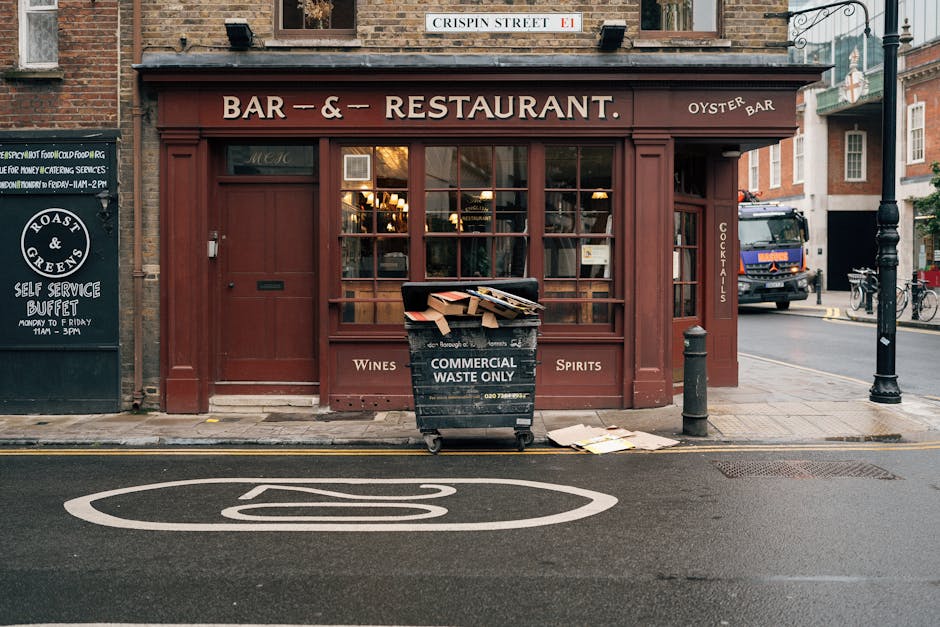
Why Where to dump bulky items near Marylebone High Street (W1) Matters
Bulky waste is not just "rubbish". It is the awkward, oversized stuff that creates friction at home, in a flat-share, or in a business premises. In Marylebone, that friction tends to show up fast. Roads can be busy, loading space can be tight, and a building manager may not love the idea of items sitting in a communal area for "just a bit".
That is why choosing the right disposal route matters. Get it wrong and you may end up with blocked access, damaged communal areas, a missed pickup, or an item left outside where it attracts complaints. Get it right and the whole job becomes simpler than it first looked. Fair enough, that is what most people want: not a lecture, just a clean outcome.
There is also a sustainability angle. Bulky items often contain reusable parts, recyclable metals, wood, textiles, or electrical components. A responsible disposal route can keep those materials in the right stream rather than sending everything to landfill by default. If that matters to you, the local recycling and sustainability approach is worth reviewing before you book anything.
Key point: near Marylebone High Street, the best bulky item solution is usually the one that balances access, speed, legality, and how much lifting you want to do yourself.
How Where to dump bulky items near Marylebone High Street (W1) Works
In practice, bulky item disposal near Marylebone High Street usually falls into one of four routes: council collection, drop-off at a suitable waste facility if you have the means to travel, a private rubbish removal team, or a specialist service for a certain item type such as furniture, appliances, or builders' waste.
The phrase "dump" is worth pausing on. You should not simply abandon bulky waste on the street. In London, that can create enforcement issues and may be treated as fly-tipping. A lawful route means transferring the item to an authorised collector or facility, with the right paperwork and handling behind the scenes. Boring? Maybe. Essential? Absolutely.
For a small one-off item, a resident might choose a collection service that handles the lifting and loading. For a larger flat clearance, the more sensible route is often a broader house clearance in Marylebone or, for loft or storage spaces, a loft clearance service. Those options reduce the chance of multiple trips and half-finished piles sitting around for days. Nobody wants that.
If you are deciding between collection types, start by asking three simple questions:
- How large and heavy is the item?
- Can it be carried safely without damaging the building or the item itself?
- Do you need it removed today, this week, or by a fixed deadline?
That sounds basic, but it is usually the difference between a smooth job and a frustrating one.
Key Benefits and Practical Advantages
Choosing the right bulky waste disposal method near Marylebone High Street brings some clear benefits, and the biggest one is peace of mind. Once the item is gone properly, the clutter stops nagging at you. A hallway feels wider. A living room stops looking like a storage unit. Even a workplace feels less chaotic.
Here are the practical upsides people usually care about most:
- Less lifting and hassle: a good collection team will handle heavy or awkward items for you.
- Safer movement through the property: fewer chances of scraping walls, stair rails, or flooring.
- Clearer compliance: a proper disposal route helps you avoid informal and risky dumping.
- Better recycling potential: items can be sorted into reuse, recycling, or disposal streams.
- Faster turnaround: useful when you are moving, renovating, or preparing a property for sale or rent.
There is also a local convenience benefit. Marylebone is not the kind of place where you want to be dragging an old bed frame down the street on a Saturday morning. It is messy, inconvenient, and to be fair, it just looks a bit odd. A collection arranged at the right time keeps things tidy and discreet.
For people working around property changes, this matters even more. If you are clearing a flat before photography, sale, or handover, the service can sit neatly alongside the kind of advice discussed in Marylebone home buying and selling guidance and local property planning resources like a practical Marylebone property market guide.
Who This Is For and When It Makes Sense
Bulky item removal is not only for people with a full house clearance. In fact, many requests are much smaller and more immediate than that. A single damaged wardrobe can be just as urgent as a room full of old furniture. Sometimes more so, because it blocks daily life in the moment.
This topic is relevant if you are:
- a resident clearing out old furniture after a move
- a landlord preparing a property between tenancies
- a homeowner replacing appliances or large household items
- a business owner dealing with unwanted office furniture
- a contractor removing leftover materials from a small project
- someone helping an older relative downsize or declutter
Sometimes it makes sense to book a focused item-specific service, such as white goods and appliance disposal if the problem is a fridge, washing machine, or similar unit. Other times, the job is broader and a full rubbish collection in Marylebone or waste removal service makes more sense.
Truth be told, the "best" option changes depending on the item, the building, and your timetable. A top-floor flat with a tight staircase is a very different story from a ground-floor office with easy access.
Step-by-Step Guidance
If you want a straightforward way to handle bulky waste near Marylebone High Street, follow this sequence. It keeps things calm and saves you from last-minute surprises.
- Identify the item properly. Is it furniture, an appliance, garden waste, construction debris, or mixed bulky rubbish? A sofa and a broken wardrobe are handled differently from a dismantled kitchen unit.
- Check access conditions. Measure doorways, stairwells, lifts, and any tight corners. In older Marylebone buildings, that step matters more than people expect.
- Decide whether it can be reused or recycled. If an item is still usable, donation or reuse may be better than disposal. If not, recycling may still recover useful materials.
- Choose the disposal route. Compare council collection, private removal, or a specialist service. For awkward household items, a dedicated furniture disposal service is often the simplest path.
- Get a clear quote. Ask what is included: lifting, loading, labour, disposal, and any extra charge for stairs or special handling.
- Prepare the item. Remove personal belongings, defrost appliances if required, and separate loose components where possible.
- Arrange timing. Pick a slot that works with building access, neighbours, and parking or loading restrictions.
- Confirm what happens next. Ask how the item will be processed and whether recyclable materials are sorted separately.
A small real-world example: a resident on a side street off Marylebone High Street might have an old sofa, a coffee table, and a broken office chair. On paper, three items. In reality, one awkward lift, one item that could scratch the stairwell, and one that should probably be dismantled first. A collection team that is used to London properties will see that immediately.
Expert Tips for Better Results
Here are the details that make a bulky item job go more smoothly. These are the things people usually only learn after a slightly painful first attempt.
- Measure before you move. A tape measure can save you from getting halfway through a staircase and realising the item will not turn.
- Take photos first. Good photos help with quoting and reduce back-and-forth. A quick shot in daylight is usually enough.
- Dismantle what you safely can. Removing legs, shelves, or detachable parts often makes collection easier and cheaper.
- Bundle similar materials together. Mixed loads can be more complicated to sort, especially if you have wood, metal, textiles, and electrical items together.
- Think about timing around the street. Marylebone can be busy at peak times. Early slots are often less stressful.
- Keep communal areas clear. Even if a collection is booked, do not leave bulky waste in corridors for long. Buildings get grumpy about that, understandably.
If the item is especially heavy, odd-shaped, or sensitive to damage, it may be worth using a service that specialises in the exact category. For example, a large desk and storage unit set may be more suitable for office clearance than a standard one-off pickup. And if you are clearing a whole room after renovations, builders' waste disposal is often the better fit.
Small tip, slightly underrated: keep the route from the item to the exit clear before collection day. Shoes, lamp stands, baskets, plant pots - all the little obstacles add up. One minute you are ready; the next you are moving half the flat to get to the front door.
Common Mistakes to Avoid
Most bulky waste problems are not dramatic. They are just annoying. A missed detail here, a bad assumption there, and suddenly the job takes twice as long. Here are the mistakes that show up most often.
- Leaving items outside without a proper booking. That can invite complaints, spoil the look of the street, and create compliance issues.
- Assuming all bulky items are accepted the same way. Mattresses, fridges, electricals, and mixed waste often need different handling.
- Forgetting access restrictions. Loading bays, timed permits, stair width, lift size, and concierge rules all matter.
- Not asking what is included in the price. Some quotes cover labour and loading; others may not. Always check.
- Ignoring items that contain hazardous components. Some appliances or older items need extra care because of batteries, gas, or electrical parts.
- Booking too late before a move-out or refurbishment. If you leave it until the last day, stress goes up very quickly.
There is a common "I'll just do it tomorrow" trap too. We have all seen it. The item sits there for another week, then another. In a compact London property, that kind of delay can make the whole place feel smaller than it is.
Another one worth saying plainly: do not hand waste to an unverified collector. If a carrier cannot show proper compliance, you risk the rubbish ending up somewhere it should not. That is your problem if it comes back to you. Not ideal.
Tools, Resources and Recommendations
You do not need a warehouse full of equipment to deal with bulky items, but a few tools and resources make the process much less stressful.
- Measuring tape: useful for doors, stairwells, and item dimensions.
- Phone camera: good for documenting condition and sharing images for quotes.
- Basic tools: screwdrivers or an Allen key can help dismantle some furniture safely.
- Gloves and sturdy shoes: sensible if you are moving sharp, dusty, or heavy pieces.
- Lift or access notes: especially useful in apartment blocks with specific entry rules.
On the service side, start with a provider that clearly explains the scope of work and the disposal pathway. Pages like about the company, pricing and quotes, and payment and security help you understand how the service is structured before you commit.
If you are comparing providers, it is worth checking whether they can handle a broad mix of household and commercial loads, including domestic waste collection and commercial waste removal. That matters if your job is not a perfect one-size-fits-all case.
One more practical recommendation: keep a copy of your booking confirmation, invoice, or collection reference. It is one of those tiny things that feels unnecessary until a building manager asks for proof. Then suddenly it is very useful.
Law, Compliance, Standards and Best Practice
When dealing with bulky waste in London, the main principle is simple: use a lawful and traceable disposal route. You do not need to memorise legislation to do the right thing, but you should understand the basics well enough to stay safe.
Best practice usually means:
- using a legitimate waste carrier
- making sure the item is collected or delivered to an authorised outlet
- keeping records where appropriate
- avoiding abandoned waste on pavements, forecourts, or communal land
- separating recyclable or reusable items where possible
If you are hiring a service, check the provider's compliance information. A responsible company should be able to explain how it handles transport, disposal, and duty of care. The site's waste carrier licence and compliance page is the kind of resource you want to see before booking.
It is also sensible to review insurance and safety details if you are dealing with large, heavy, or fragile items in tight indoor spaces. One slip on a stairwell can become expensive in a hurry. Best to be cautious.
If the disposal involves sensitive data, office contents, or anything with personal information attached, the same careful thinking applies. That is one reason office clearance is treated differently from a simple household pickup. A bit more attention up front saves trouble later.
Options and Comparison Table
Different bulky items call for different solutions. The "best" route depends on time, access, volume, and how much help you want.
| Option | Best for | Pros | Watch-outs |
|---|---|---|---|
| Council bulky waste collection | Simple household items, planned removals | Structured process, local relevance, suitable for routine jobs | May have booking rules, waiting times, and item restrictions |
| Private bulky item collection | Fast removal, awkward access, single or multiple items | Flexible timing, lifting included, less effort for the customer | Pricing varies, so check exactly what is included |
| Furniture-specific disposal | Sofas, wardrobes, beds, tables | Tailored handling, useful for bulky indoor items | May not suit mixed waste or non-furniture loads |
| Appliance collection | Fridges, washers, cookers, white goods | Better handling of electrical or heavy units | Some items need special preparation, such as defrosting |
| Full clearance service | Moves, renovations, probate, office emptying | Covers more in one visit, good for larger volumes | Overkill for one small item |
If you are uncertain, a broad waste disposal service in Marylebone is often the safest starting point because it can be scaled to the load rather than forcing you into a narrow category.
Case Study or Real-World Example
Here is a realistic local scenario. A resident near Marylebone High Street is replacing a double mattress, a broken chest of drawers, and an old microwave. The building has a narrow stairwell, a shared entrance, and no convenient place to leave items outside. The resident also needs everything removed before a weekend visit from family. Typical London timing pressure, in other words.
At first, the simplest idea seems to be putting everything out for collection. But that would mean leaving bulky waste in a shared area, which is not ideal and may not be allowed by the building. Instead, the resident books a collection time, clears the route to the front door, photographs the items, and checks whether the microwave needs separate handling as an electrical item.
On the day, the collector arrives, removes the mattress without damaging the banister, takes the drawers apart where needed, and loads everything in one visit. The resident gets the hallway back. The flat feels bigger immediately. Funny how that works, but it really does.
If the same resident had a more mixed load, perhaps after clearing a spare room, a broader service such as house clearance or furniture removal would likely have been the smarter option from the start.
Practical Checklist
Use this quick checklist before you arrange any bulky item disposal near Marylebone High Street.
- Have you identified exactly what the item is?
- Have you measured doorways, stairs, or lift access?
- Have you checked whether the item can be reused or recycled?
- Have you decided whether you need a single-item pickup or a larger clearance?
- Have you confirmed the collection window and access arrangements?
- Have you asked what is included in the quote?
- Have you removed personal belongings from the item?
- Have you separated anything that needs special treatment, such as electricals?
- Have you kept your booking confirmation and payment details?
- Have you checked the provider's compliance and safety information?
If you can tick most of those off, you are in good shape. If not, slow down a little and sort the basics first. That extra ten minutes often saves an hour later.
Conclusion
So, where should you dump bulky items near Marylebone High Street (W1)? The honest answer is: not casually, not on the pavement, and not without checking the safest lawful route. The right option depends on what the item is, how quickly it needs to go, and whether you want to handle lifting and transport yourself. For many people, a scheduled collection or a specialist disposal service is the cleanest, easiest answer.
Take a moment to think through access, item type, and timing, and the whole thing becomes much more manageable. The job that looked awkward at 8 a.m. can be finished and forgotten by lunchtime. And that is a good feeling, especially in a compact part of London where space is always at a premium.
Get a free quote today and see how much you can save.
If you want help with a larger cleanout, the next sensible step is to compare the most relevant service pages and pick the one that fits the item, not the other way round. Simple, really.


 Tipper Van - Rubbish Removal and Waste Collection Prices in Marylebone, W1
 Luton Van -


